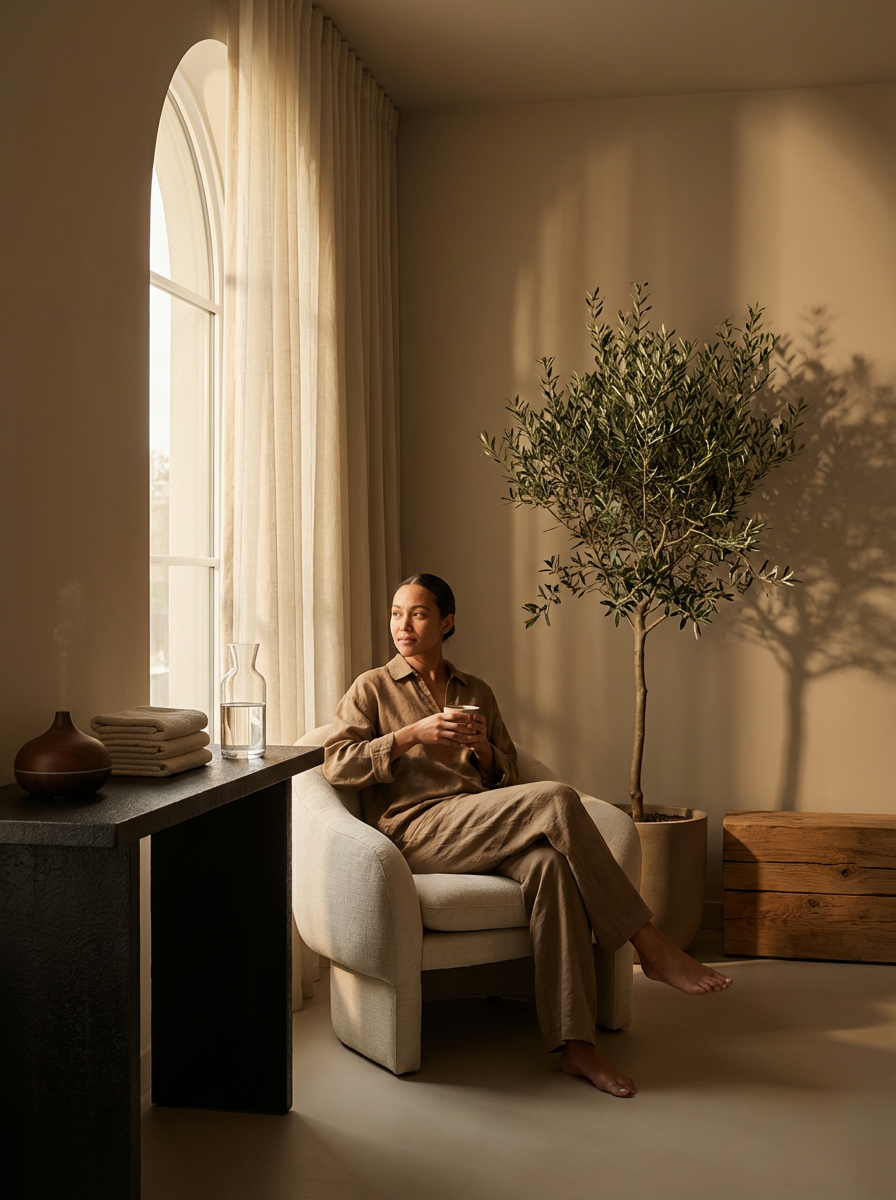


Dr. Ansari sitting on a couch with books and plants in the background.

MY APPROACH

My approach is empathic, supportive, and collaborative, helping clients understand themselves and make changes in their lives. I like to work creatively, drawing on techniques from different theoretical orientations and therapeutic tools and strategies from Cognitive-Behavioral, Psychodynamic, Attachment, and Mindfulness perspectives, among others. Drawing on my training and experience across a wide range of therapeutic orientations, I work with each client to develop a treatment plan tailored to their needs and goals.

I enjoy working with adults who struggle with anxiety, trauma, family/partner relationship issues, and consequences of childhood abuse and neglect. I specialize in working with adult children of narcissistic/borderline parents, helping them understand how early childhood experiences affect the individual’s adult relationships with partners, friends, family, and coworkers. Adult children of personality-disordered parents particularly struggle with communication, building/maintaining healthy relationships, setting healthy boundaries, and advocating for their needs.

MY SELF-CARE STRATEGY


01
Getting regular exercise

02
Connecting with friends & family

03
Expressing myself creatively

04
Staying curious

EDUCATION

  • Pacific Graduate School of Psychology - Ph.D. Clinical Psychology

  • Pacific Graduate School of Psychology - M.S.

  • Sarah Lawrence College - B.A.

CLINICAL EXPERIENCE

  • San Francisco General Hospital/UCSF Department of Psychiatry, Division of Psychosocial Medicine

  • Marin Treatment Center

  • St. Mary’s Medical Center

  • Edgewood Center for Children and Families

RESEARCH EXPERIENCE

  • Washington School of Psychiatry Attachment Program

  • Center for Neurobiology and Neuropsychiatry | Neurocognition in Schizophrenia | Department of Veterans Affairs Medical Center

  • Child Trauma Research Project | San Francisco General Hospital

  • Emotion and Schizophrenia Research Lab | University of California, Berkeley

  • Early Intervention Clinic | Pacific Graduate School of Psychology

  • Division of Pediatric Hematology/Oncology at Stanford University School of Medicine and the Pacific Graduate School of Psychology